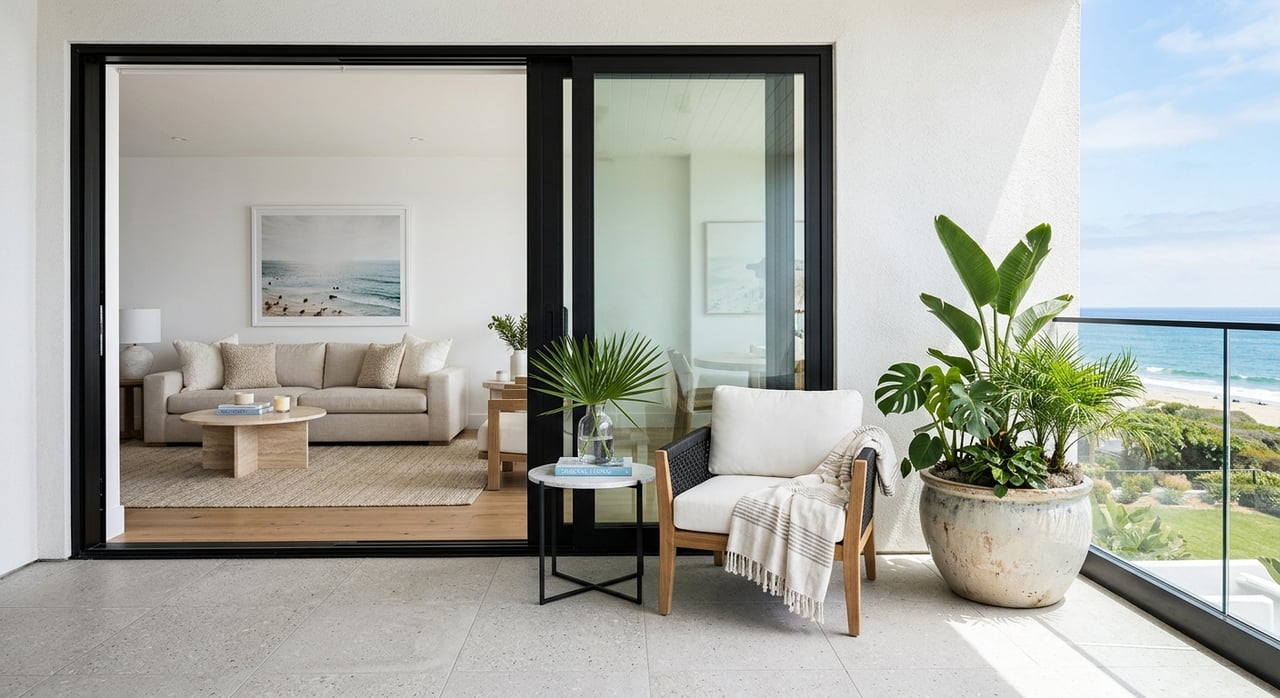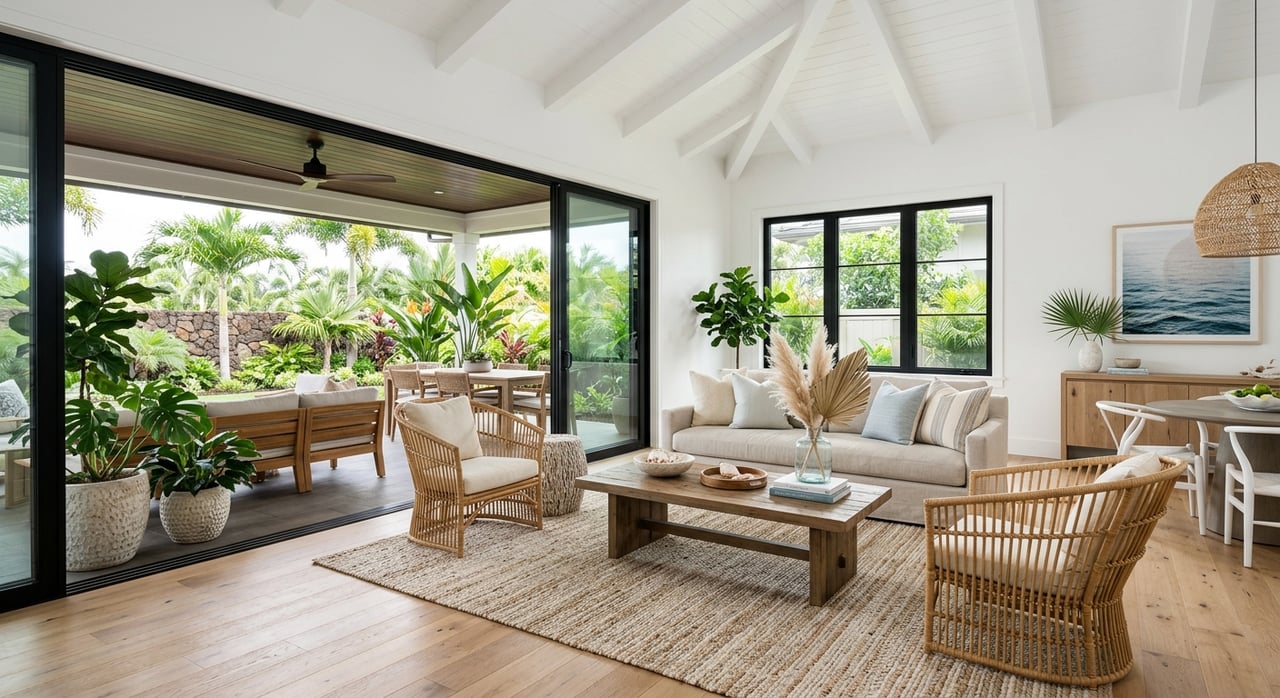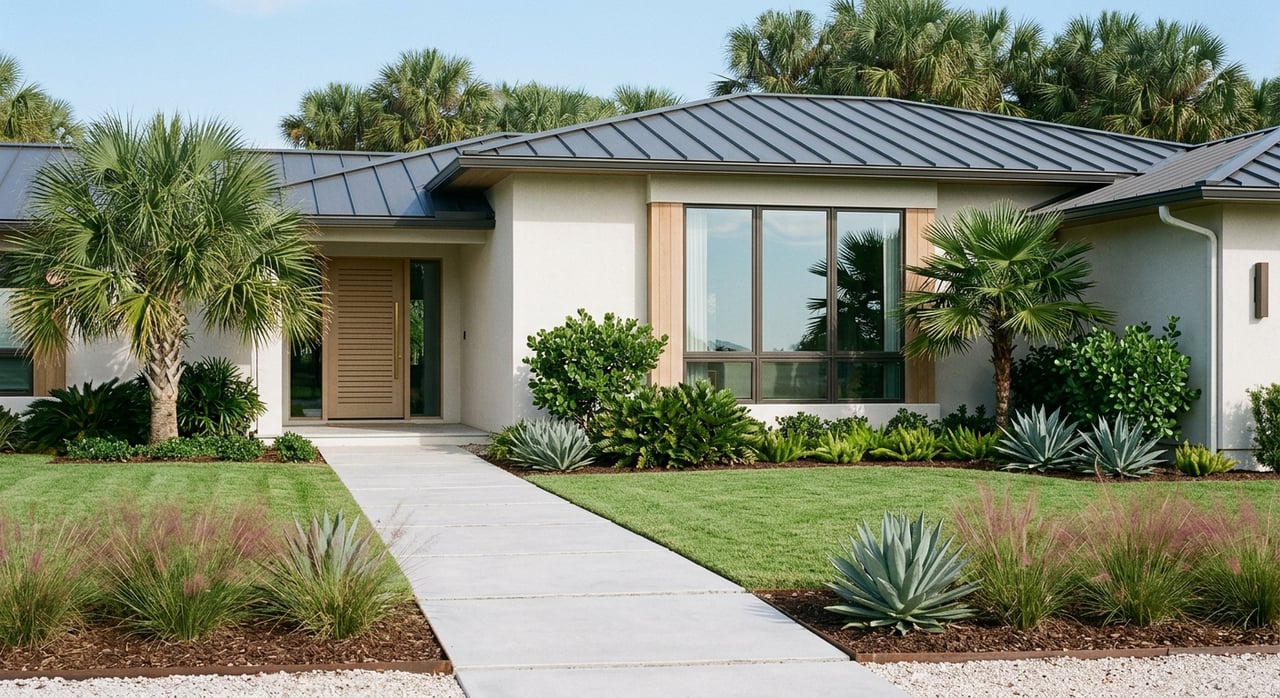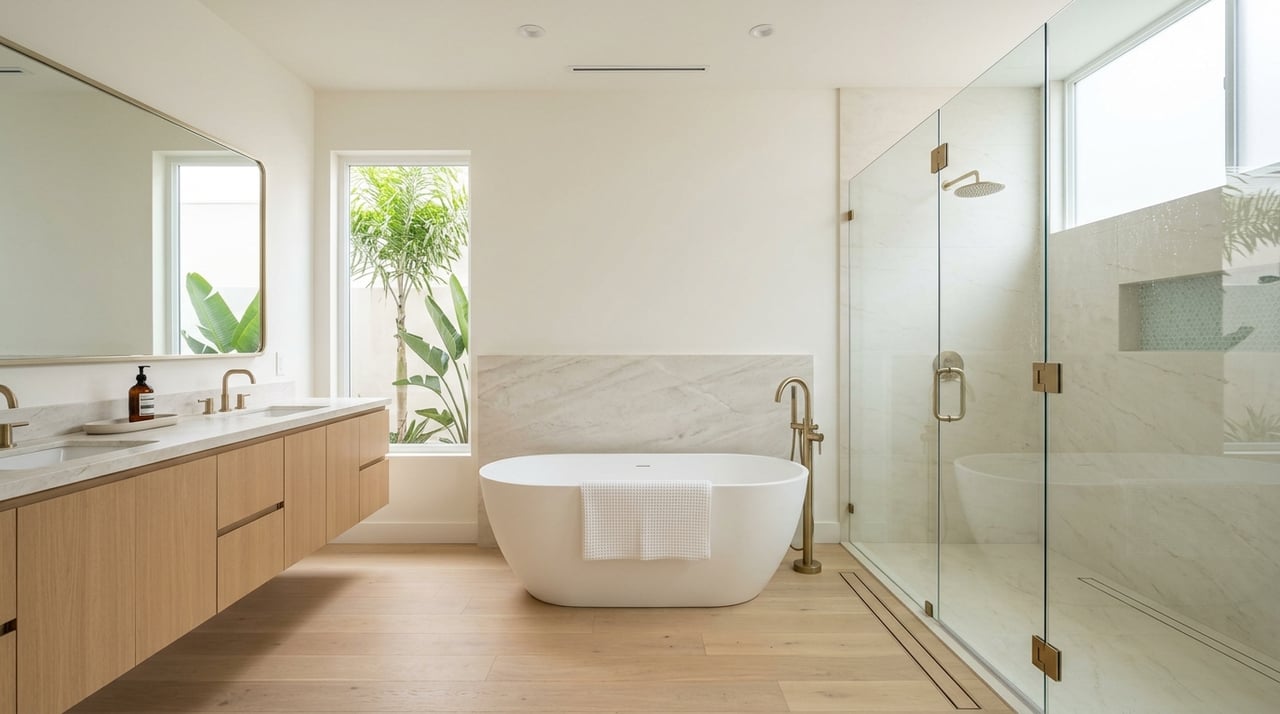
If you want a second home in Olde Naples that feels effortless from day one, the word turnkey probably catches your eye fast. It promises convenience, style, and a smooth arrival, which is exactly what many seasonal buyers want. But in Olde Naples, turnkey can mean very different things from one listing to the next. Here’s how to shop smart, protect your investment, and buy with confidence.
Why turnkey appeals in Olde Naples
Olde Naples offers a rare mix of coastal location, established streetscapes, and a blend of original and newer homes. The City of Naples describes the area as extending north from Third Street South to the Naples Beach Hotel and Golf Club, and west from U.S. 41 to the beach, with many of Naples’ original homes alongside newer residences. You can explore the city’s overview of Old Naples for the official area description.
For second-home buyers, turnkey living often means less setup and less stress. Instead of spending your first season sourcing furniture, scheduling deliveries, or managing updates, you can focus on enjoying the home and the location. That convenience is a real value driver in a neighborhood where many buyers want a polished, move-in-ready experience.
What turnkey really means
The most important thing to know is this: turnkey is a marketing term, not a legal standard. A property described as turnkey furnished may include nearly everything you see, or it may leave out key items you assumed were part of the sale.
According to Florida real estate legal guidance from Berlin Patten, personal property is treated separately from the real property in a transaction. That means you should not rely on listing language alone. Instead, you want a detailed written inventory and a clear exclusions list before you move forward.
Ask for a full inventory
When you are considering a turnkey second home, request documentation for items such as:
- Furniture
- Artwork and decor
- Patio and outdoor furnishings
- Electronics and televisions
- Kitchen items if included
- Window treatments
- Rugs and lighting that are not built in
This step matters because the real risk is usually not the label turnkey itself. It is finding out too late that a few missing pieces change the value or usability of the home.
What the market says right now
Olde Naples remains a premium market, but current public data suggests buyers may have more room to evaluate options carefully. As of March 31, 2026, Zillow’s Old Naples data showed an average home value of $959,628, 237 homes for sale, and a median sale price of $1,160,500.
Other market trackers use different methods, so the numbers vary. The research also cites Realtor.com’s January 2026 neighborhood summary at a median home price of $1,995,000 with 392 active listings and 77 median days on market, while Redfin’s Old Naples housing market snapshot showed a median sale price of $1.681 million, 67 median days on market, and 48 homes sold in February 2026.
The key takeaway is not which number is “right.” It is that Olde Naples is still a luxury market, yet conditions may give you space to negotiate. Redfin also reported that homes often sell about 6% below list price, with multiple offers being rare. For a turnkey buyer, that can create opportunity, but only if you look beyond the staging and verify the details.
Look past the furniture
A beautifully furnished home can be very appealing, especially in a design-driven market like Olde Naples. Still, smart buyers know that presentation is only one part of the decision.
You should also evaluate:
- The condition and quality of finishes
- The age and function of major systems
- Whether furnishings fit your intended use
- The building or association’s financial health
- Rules that may affect rental plans or future updates
A staged or furnished home can photograph well and still come with questions you need answered before closing. That is why due diligence matters even more when convenience is part of the premium you are paying.
Condo due diligence matters
If you are buying a condo as a second home, do not assume it is fully maintenance-free. Under Florida Statute 718.111, the association is generally responsible for maintaining, repairing, and replacing common elements unless the declaration says otherwise. The same statute also notes that responsibility for shutters, impact glass, and code-compliant windows or doors can depend on the governing documents.
That means your actual ownership experience may vary from building to building. Before you buy, confirm exactly who is responsible for exterior components, storm protection, and unit-related items that can affect your costs later.
Review these condo documents
For a resale condo purchase, Florida law requires delivery and acknowledgment of important association records. Under Florida Statute 718.503, buyers should review:
- Declaration
- Bylaws
- Rules and regulations
- Current budget
- Recent financial information
- Milestone inspection summary, if applicable
- Structural integrity reserve study, if applicable
These documents can tell you a lot about the building’s condition, reserve planning, and day-to-day rules. They are especially important for second-home buyers who may not be in town year-round to monitor building issues closely.
Watch for older building requirements
In Southwest Florida, older condo buildings deserve extra attention. The Florida Department of Business and Professional Regulation explains that residential condominium and cooperative buildings that are three or more habitable stories high may need milestone inspections and structural integrity reserve studies, depending on age and location.
If reserve funding is not sufficient, associations may need to raise assessments, borrow funds, or impose special assessments. For you as a buyer, that makes reserve strength and inspection history central to the value conversation. A furnished unit may feel easy to purchase, but the bigger financial question is often the building behind it.
Understand rental rules before you buy
Some second-home buyers want the option to rent the property occasionally when they are not using it. In Olde Naples, that plan needs a careful rules check.
The City of Naples states that single-family homes must generally use rental terms of 30 days or longer. A property may be rented for less than 30 days only three times per calendar year, and it may not be advertised as available for less than 30 days. The city also notes that repeated sub-30-day use can create transient lodging issues in most residential zoning districts.
If you are considering a condo, the association may have stricter rules than the city. Always confirm minimum lease terms, approval procedures, guest policies, and advertising limitations before you rely on rental income as part of your plan.
Check flood exposure early
Flood due diligence is essential in Olde Naples. The City of Naples states that its 2024 Flood Insurance Rate Maps are in effect for construction and insurance, and that Zones AH, AE, and VE are Special Flood Hazard Areas with mandatory flood insurance purchase requirements in certain cases.
Collier County also notes that standard homeowner policies usually do not cover flood damage. If you are financing a property with a federally backed mortgage in a Special Flood Hazard Area, flood insurance is generally required. Even for cash buyers, understanding the flood zone can affect carrying costs, renovation planning, and long-term comfort with the property.
Know historic and permit constraints
Olde Naples includes properties within a city framework that authorizes an historic-district overlay. In some cases, homes may face added review for exterior changes or permit work. If you are buying with plans to refresh, expand, or personalize the property later, this is an important issue to verify up front.
The city’s historic building ordinance states that for historic buildings, all work including exterior changes, interior work, additions, and demolition must be reviewed and approved by the Florida State Historic Preservation Office before city permit submittal. A home that feels turnkey today may still come with limits on what you can change tomorrow.
A smart turnkey buying checklist
Before you make an offer on a turnkey second home in Olde Naples, make sure you can answer these questions clearly:
- What exactly conveys with the sale? Ask for an itemized inventory and written exclusions.
- What do the condo or association documents show? Review the budget, reserves, rules, and any inspection-related records.
- Who handles maintenance and storm protection? Confirm owner versus association responsibilities.
- What rental rules apply? Check city rules and any stricter association policies.
- Is the property in a flood zone or review area? Verify flood maps and any historic-related constraints.
Buying with clarity and confidence
A true turnkey second home in Olde Naples can be an exceptional fit if you want ease, design cohesion, and less immediate work. The key is making sure the convenience you are paying for is real, documented, and aligned with how you plan to use the property.
That is where experienced local guidance matters. From evaluating furnishings and finish quality to helping you ask the right condo, flood, and permit questions, the right advisor can help you buy the lifestyle you want without missing the details that protect your investment. If you are exploring Olde Naples and want a design-savvy, concierge-level approach, connect with P.J. Martin.
FAQs
What does turnkey mean for a second home in Olde Naples?
- In Olde Naples, turnkey usually means a move-in-ready home that may include furnishings, but the term is not a legal standard, so you should request a detailed inventory and exclusions list.
What documents should you review when buying an Olde Naples condo?
- You should review the declaration, bylaws, rules, current budget, financials, and, when applicable, the milestone inspection summary and structural integrity reserve study.
Can you rent out a second home in Olde Naples?
- City of Naples rules say single-family homes generally require rental terms of 30 days or longer, with limited exceptions for shorter rentals and restrictions on advertising.
Why is flood insurance important for Olde Naples homes?
- Parts of Olde Naples may be in Special Flood Hazard Areas, and flood insurance may be required for certain financed properties while standard homeowner policies often do not cover flood damage.
Do historic rules affect Olde Naples properties?
- Yes, some properties may fall under historic review or overlay-related rules, which can affect exterior changes, permit work, additions, and other renovations.