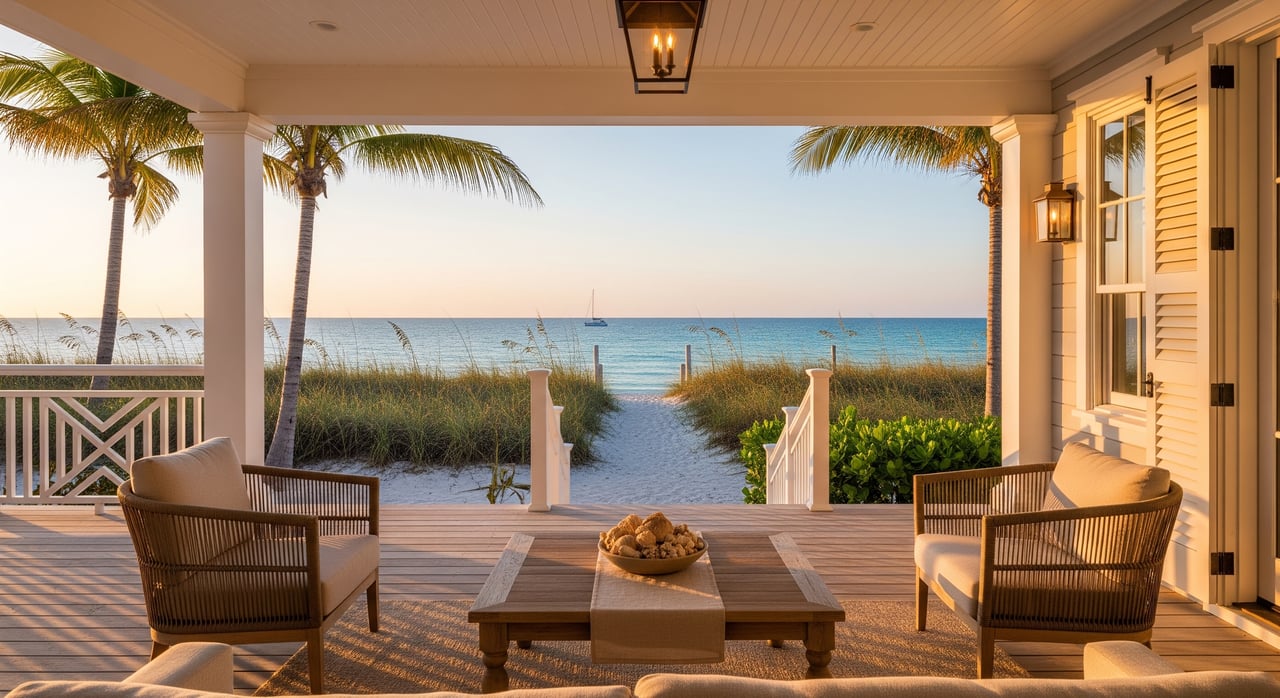
What if your morning walk to coffee also takes you past a historic pier and a Gulf sunrise? If you picture an easy, coastal routine with everything close at hand, Olde Naples might fit your lifestyle. You want real insight before you buy or sell, not just pretty photos. In this guide, you’ll learn how everyday life works here: walkability, beach culture, housing styles, costs and trade-offs, and how to prepare for coastal ownership. Let’s dive in.
Olde Naples at a glance
Olde Naples sits at the southern end of the City of Naples, centered on the Naples Pier and the walkable main streets of Fifth Avenue South and Third Street South. It feels like a compact coastal village, not a spread-out suburb. Streets are narrow, blocks are short, and you’ll find a mix of restaurants, galleries, civic buildings, single-family homes, and small to mid-rise condos.
You can walk to beaches, parks, boutiques, and cafes from many homes. This close-in layout shapes daily rhythm. Even quick errands and dinner plans often happen on foot.
Walkability and getting around
Olde Naples is one of the most walkable areas in the city. Many residents handle daily errands on foot and use bikes or golf carts for short trips. For regional travel, most people rely on cars. Collier Area Transit serves the county, but service is limited compared with larger metros.
Parking can be tight in high season. Downtown streets and public lots around Fifth Avenue South, Third Street South, and the pier often fill during winter months and on busy weekends. If you plan dinner or sunset, build in extra time for parking.
Beach life and the Naples Pier
The Naples Pier is the neighborhood’s signature landmark. It draws locals and visitors for sunset walks, fishing, and easy beach access. Multiple public access points make the Gulf part of your everyday routine. For details on public beaches, access points, and park rules, check the City’s official parks and beaches information on the City of Naples website.
During sea turtle nesting season, typically May through October, beachfront lighting and some activities follow local and state rules to protect nesting turtles and hatchlings. If you live near the water, you’ll need to be familiar with these guidelines. You can review current best practices on the Florida Fish and Wildlife Conservation Commission’s sea turtle page.
Dining, shopping, arts and culture
Fifth Avenue South and Third Street South anchor a lively dining and shopping scene with year-round energy and seasonal events. You’ll find cafes, fine dining, wine bars, boutique retail, galleries, and small performing-arts venues within a compact, pedestrian-friendly setting.
Cambier Park, near the commercial core, hosts community events and recreation. Broader cultural life throughout Naples adds to the calendar, from performances at Artis—Naples to local theater at The Naples Players. Expect more festivals, fundraisers, and arts programming during winter, when seasonal residents and visitors arrive.
Housing styles and options
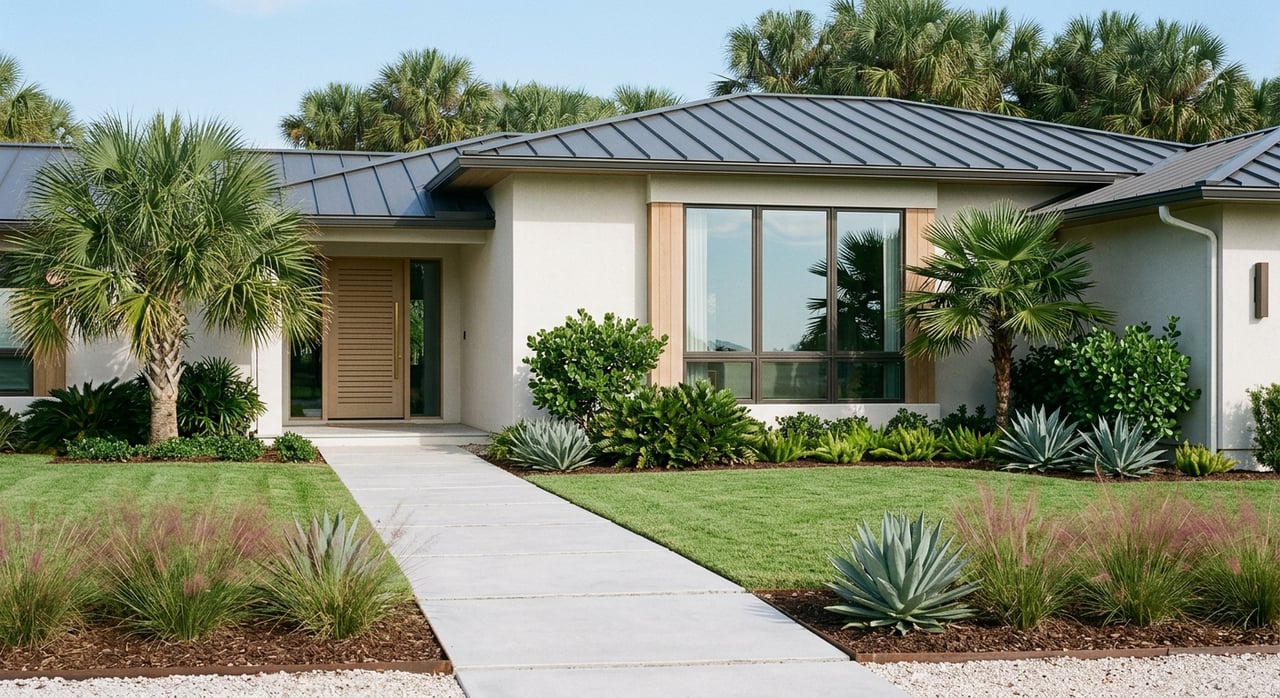
Olde Naples offers an architecturally varied streetscape. You’ll see restored historic cottages and bungalows, Mediterranean and mission-style homes, Key West–inspired cottages, and newer contemporary builds. Many properties have been updated or rebuilt over time.
You can choose from small-lot single-family homes, low- to mid-rise condos, luxury Gulf-front estates, and a limited number of new builds. If you want a lock-and-leave lifestyle, condos and townhomes are common and can simplify ownership for seasonal living.
Lot sizes in the core tend to be smaller than in suburban parts of Naples. That means less yard space and a more intimate neighborhood feel. If you value privacy and large outdoor areas, you’ll want to focus your search on specific pockets or consider nearby neighborhoods with larger lots.
Market context and price positioning
Olde Naples is one of the most desirable areas in Naples due to its walkability and proximity to the Gulf, which places it on the higher end of local price ranges. Condos and townhomes usually offer a lower entry point than single-family homes, especially near the beach. Inventory of turnkey, walkable properties can tighten at times, particularly close to the pier and main streets.
For current market data, the Naples Area Board of REALTORS releases local reports that track pricing, inventory, and days on market. You can review those updates through the Naples Area Board of REALTORS. City-level demographics also show a higher median age and a strong retiree presence, a pattern that aligns with the neighborhood’s seasonal appeal. For context, see U.S. Census QuickFacts for Naples.
Climate, storms, and insurance
Naples has a subtropical climate with hot, humid summers and mild winters. Tourism and social activity peak from late fall through spring. Hurricane season runs from June to November. Because Olde Naples sits on low-lying coastal land, you should understand flood risk, building codes, and evacuation zones.
Before you buy, review a property’s FEMA flood zone designation and elevation. These factors, along with building age and updates, affect insurance needs and premiums. You can check parcel-specific mapping on the FEMA Flood Map Service Center and follow storm updates through the National Hurricane Center.
Most coastal owners carry both flood insurance and hurricane wind coverage. If you’re considering a condo, factor in association reserves, building updates, and master policy details. For single-family homes, look closely at roof age, impact windows and doors, and drainage.
Who Olde Naples fits best
Olde Naples works well if you value a walk-to-everything lifestyle and easy beach access. It suits many retirees and seasonal owners who want a compact home base with top-tier dining and culture. It also attracts remote professionals and downsizers who prefer design-forward condos or smaller-lot homes close to daily amenities.
It is less ideal if a large private yard is your top priority or if you need lower price points typical of suburban neighborhoods. If you depend on frequent regional transit, you may find public transportation options limited here.
Everyday pros and trade-offs
Pros
- Walk to beaches, restaurants, galleries, and parks.
- Strong dining and arts scene with a lively high season.
- Lock-and-leave condo options for seasonal living.
- Signature sunsets and daily outdoor activities.
Trade-offs
- Higher purchase prices and ongoing costs, including insurance and many HOA fees for condos.
- Seasonal crowds and parking constraints in winter.
- Smaller lots and less privacy than suburban areas.
- Coastal storm and flood risk that requires preparation.
Tips for daily life and timing
- Plan ahead in high season. Make dinner reservations and allow extra time for parking near Fifth Avenue South, Third Street South, and the pier.
- Embrace walking and biking. Many errands are faster on foot than by car during busy periods.
- Learn local beach practices. During nesting season, follow lighting rules and beach guidelines to protect wildlife.
- Keep a weather plan. Review your property’s flood zone, evacuation route, and insurance coverage before hurricane season.
How to explore the neighborhood
- Start on foot. Walk Fifth Avenue South and Third Street South, then head to the Naples Pier for a sense of daily flow.
- Visit a park. Stroll Cambier Park to see where community events and casual recreation happen.
- Tour at different times. Compare weekday mornings with weekend evenings and peak winter months to understand seasonal rhythm.
- Compare housing styles. Tour a mix of updated cottages, newer single-family homes, and condos to clarify your preferred lifestyle.
Ready to find your fit or position a property for a premium outcome? Partner with P.J. Martin for design-forward guidance, local market insight, and concierge-level service tailored to Olde Naples.
FAQs
How walkable is Olde Naples for daily errands?
- Many residents walk to cafes, restaurants, galleries, parks, and beach access within short distances, while cars remain useful for regional trips.
Are beaches in Olde Naples public and easy to access?
- Yes. You’ll find multiple public access points and the Naples Pier as a public landmark; facilities and parking vary by access point.
What is hurricane season in Naples and how should buyers prepare?
- Hurricane season runs June through November; review FEMA flood zones, elevation, and insurance needs, and follow updates from the National Hurricane Center.
How busy does Olde Naples get in winter high season?
- Expect more visitors and seasonal residents, fuller restaurants, and tighter parking; plan reservations and arrival times accordingly.
What housing types can you find in Olde Naples?
- Options include small-lot single-family homes, low- to mid-rise condos, Gulf-front luxury homes, and limited new builds, with condos common for lock-and-leave living.
How does flood insurance work for Olde Naples properties?
- Flood and wind policies are common for coastal owners; premiums depend on FEMA flood zones, elevation, building updates, and property-specific factors.