Is your ideal morning a quiet walk to the sand, coffee in hand, with downtown dining just minutes away? If so, Coquina Sands deserves a fresh look. This Old Naples pocket delivers a rare blend of beachfront ease, boutique condos, and single-family options that put you close to everything. In this guide, you will learn how waterfront here works, the key tradeoffs to plan for, and the smart due diligence that helps you buy with confidence. Let’s dive in.
Why Coquina Sands stands out
Coquina Sands sits between U.S. 41 and the Gulf of Mexico, right in the City of Naples. You are steps from Lowdermilk Park, a beloved public beach park with parking, restrooms, showers, a playground, and volleyball. Fifth Avenue South and Third Street South are only minutes away, so dining and shopping stay within easy reach. Nearby luxury redevelopment, including the Naples Beach Club opening in late 2025, continues to elevate demand and amenities in this slice of the coast.
What “waterfront” means here
Gulf-front condos
You will see boutique, low-rise and mid-rise buildings facing the Gulf. Properties like Via Delfino and Laurentians offer direct Gulf views and association-managed beach access. Expect condo governance to shape your daily use, from parking and storage to guest, pet, and rental rules. Always review HOA documents early so you understand stay minimums, owner-only amenities, and any pending assessments.
Single-family on the sand
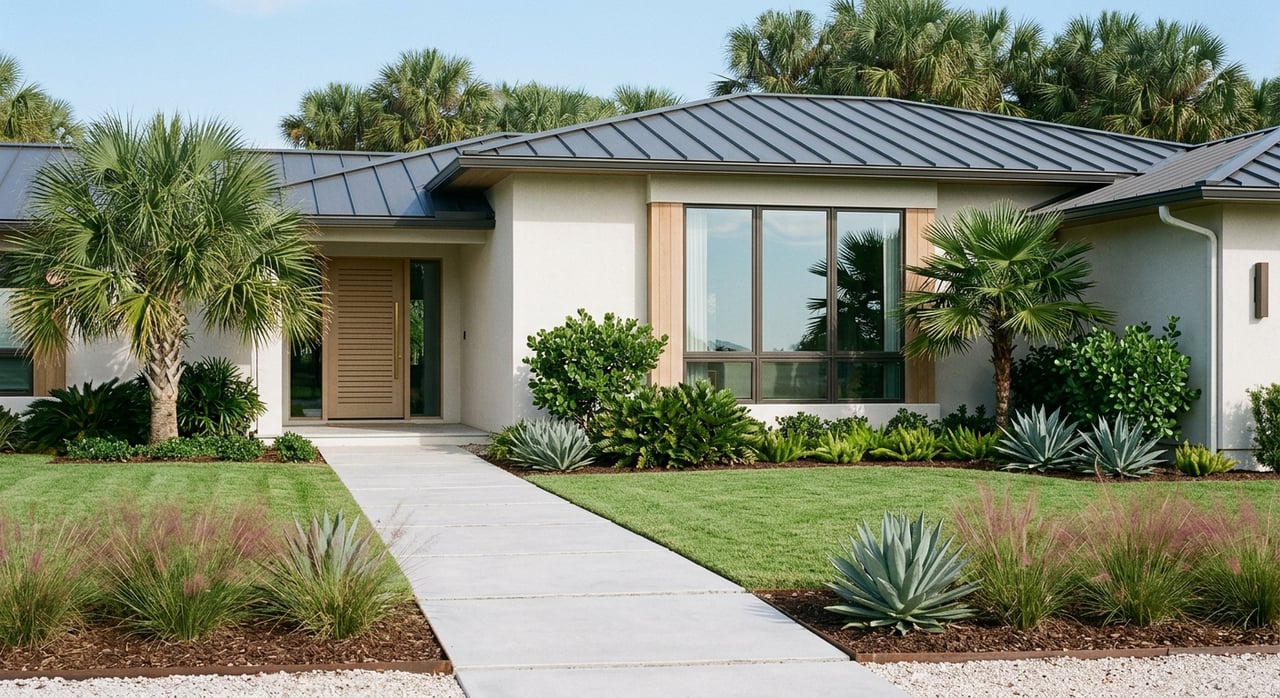
Some single-family parcels sit directly on or very near the beach. Many mid-century cottages have been renovated or replaced by elevated, modern builds with expanded terraces and pools. Lots can be smaller than inland neighborhoods, which puts a premium on floor plan flow and outdoor living zones. Verify permits and elevation records before assuming prior system upgrades were completed to code.
Bay and canal living
Coquina Sands also offers homes on canals and protected bays with private docks or boat lifts. Not all waterfront lots have equal Gulf access. Confirm bridge clearances, channel conditions, and which pass you will use to reach open water, typically Doctors Pass or Gordon Pass in the Naples area. These boating details affect how you actually use the property and can influence value.
Views and beach access rights
Own the upland parcel, but not the wet sand below the mean high-water line. Florida’s public-trust doctrine governs lands below that line, and most residents use nearby public or association access to enjoy the beach. If a listing claims private beach access, ask for the recorded easement to confirm scope and location. For context on beach access rights statewide, the Florida Bar Journal explains the public-trust line, and many owners rely on convenient services at Lowdermilk Park.
Three tradeoffs to plan for
Flood risk and insurance
Flood insurance pricing now uses FEMA’s Risk Rating 2.0, which looks at property-specific factors like distance to water, elevation, and structure details. Start by obtaining an elevation certificate, then get quotes from both the NFIP and private carriers to estimate annual costs. Many waterfront parcels fall within AE or coastal VE zones, which can trigger stricter elevation and foundation standards for rebuilds. Learn how Risk Rating 2.0 works directly from FEMA’s overview of Risk Rating 2.0, and include quotes for wind coverage too, since some owners rely on the state’s residual market, Citizens Property Insurance, when private options are limited.
Seawalls, docks, and permits
If you are considering bay or canal frontage, order a professional marine inspection of the seawall, dock, and tiebacks. Replacement or major repair costs vary widely, often running from the low to high thousands per linear foot depending on materials, access, and permitting. For a regional cost frame of reference, review this guide to Florida seawall replacement costs. Ask for permit histories on all marine work, and note that significant coastal projects may require city, state, and federal approvals.
Sea turtles and lighting
Beachfront living comes with seasonal responsibilities. Collier County monitors sea turtle nesting and conducts lighting inspections during typical nesting season, May 1 through October 31. Expect to use shielded, low-output, long-wavelength lighting and keep nighttime beach areas clear of obstacles. Review local guidance on sea turtle protection and lighting to plan simple compliance steps, like window film, timers, and fixture swaps.
Design moves that pay off
Capture the sunsets
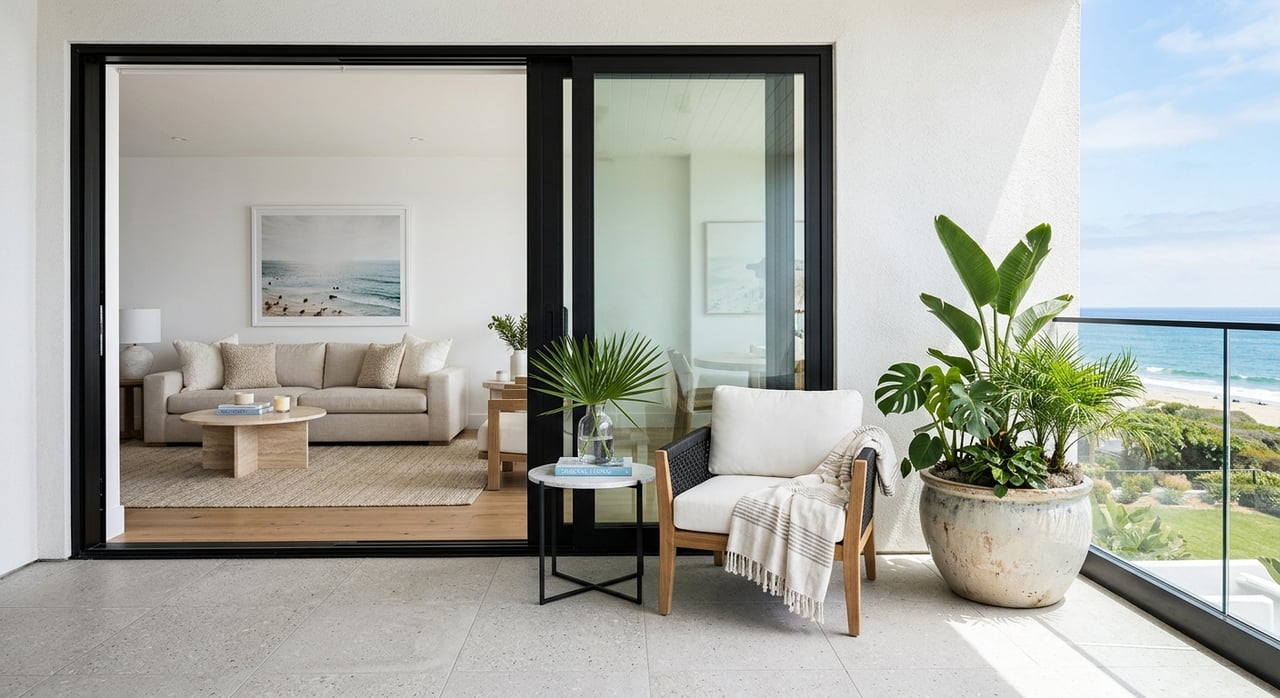
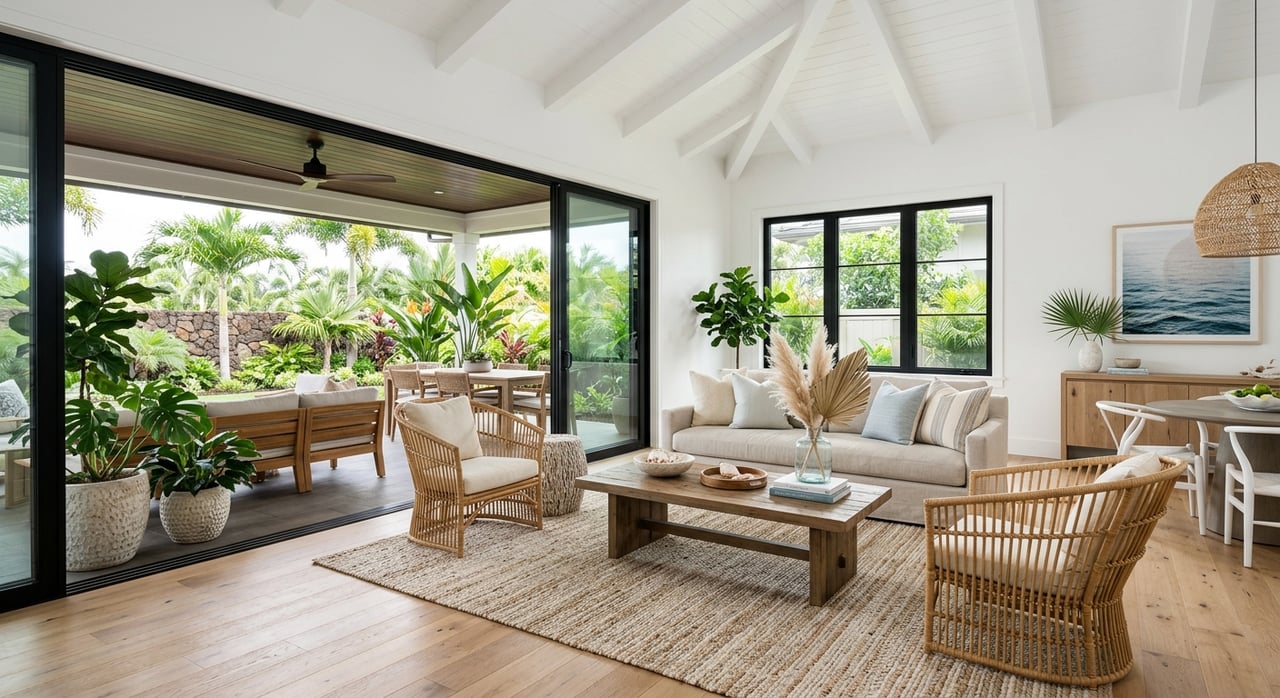
Design choices that celebrate west-facing water views always show well and feel great to live in. Large operable doors, covered lanais, and stepped terraces create effortless indoor and outdoor flow. Keep interiors light and neutral to let the Gulf be the artwork, then layer texture with natural materials. Framing the horizon from main living areas builds both lifestyle and resale value.
Build for the coast
Salt air rewards thoughtful specifications. Use corrosion-resistant fasteners and connectors, impact-rated glazing or removable protection, and elevate mechanicals above the design flood elevation. For spaces below base flood elevation, FEMA’s technical bulletins outline appropriate finishes and assemblies. If you are planning updates, refer to FEMA’s guidance on flood-resistant materials to help future-proof the home.
Outdoor rooms and pools, done right
Pools, outdoor kitchens, and expansive terraces are part of the Coquina Sands lifestyle. Site planning matters near beaches and dunes, so check local coastal setbacks and protections before you design or rebuild. The City of Naples code addresses beach and dune protections, setbacks, and walkover guidelines. You can review the city’s coastal section on Gulf beaches and dunes when scoping your project.
Due diligence checklist for your offer
Use this list to keep your waterfront purchase on track. Add items as contingencies where possible.
- Elevation and FEMA data: Request the current FEMA flood designation and an elevation certificate, then model premiums under Risk Rating 2.0.
- Marine systems: Order a seawall and dock inspection by a qualified marine contractor. Ask for recorded permits and any after-the-fact approvals. Consider the cost ranges in this seawall cost overview when budgeting.
- Beach and access easements: Ask your title team to verify any deeded beach or pedestrian access. Confirm what “private access” actually means and where it runs, guided by Florida’s public-trust context.
- Insurance pre-screen: Get written quotes for homeowners, wind, and flood. If private wind is limited, check options through Citizens Property Insurance and confirm any binding timelines.
- HOA and rental rules: Request full condo or HOA documents, including rental minimums, guest policies, and reserve studies. Inside city limits, short stays can be treated as transient lodging, and county registration applies only to unincorporated areas; review the county’s short-term rental registration overview as a comparison point and confirm City of Naples rules with your association and city staff.
- Post-storm permits: Ask for records of post-storm repairs and rebuilds tied to recent events. Well-documented structural work can be a positive, but always verify scope and sign-offs.
- Turtle-season plan: For beachfront homes, confirm a lighting compliance plan for May through October. Budget for shielded fixtures, timers, and window treatments if needed.
- Public works and nearby projects: Track improvements along Gulf Shore Boulevard and the evolving resort scene. Changes to parking and pedestrian flow can influence daily life and value.
How P.J. helps you buy smarter
You deserve a calm, expert path to the water. With a designer’s eye and a concierge-level process, P.J. helps you weigh view lines against code limits, budgets against finishes, and ease of use against long-term resilience. Expect clear due diligence steps, curated property shortlists, and coordination with inspectors, insurers, and architects. The result is a purchase that feels as good as it looks.
Ready to explore Coquina Sands waterfront options with a trusted, design-focused partner? Connect with P.J. Martin to preview on and off-market opportunities, refine your wish list, and move with confidence.
FAQs
What makes Coquina Sands appealing for waterfront buyers in Naples?
- You get immediate beach access at Lowdermilk Park, quick drives to downtown dining and shopping, and a mix of boutique Gulf-front condos and single-family homes that deliver sunset views and indoor-outdoor living.
Do beachfront owners in Coquina Sands have private beach rights?
- Upland owners do not control the wet sand below the mean high-water line; most residents use public or association access, so verify any deeded beach easements during title review.
How does flood insurance work for Coquina Sands properties?
- FEMA’s Risk Rating 2.0 uses property-specific factors like elevation and distance to water; obtain an elevation certificate and get quotes from both the NFIP and private carriers before you finalize an offer.
What should I check on seawalls and docks before I buy?
- Hire a marine contractor for a condition report, request permits and repair history, and budget for possible replacement or reinforcement since costs vary widely by material and site conditions.
Are short-term rentals allowed in Coquina Sands?
- Rules vary by building and by city; inside the City of Naples, short stays can be considered transient lodging, so confirm both HOA minimums and city requirements before you plan rentals.